
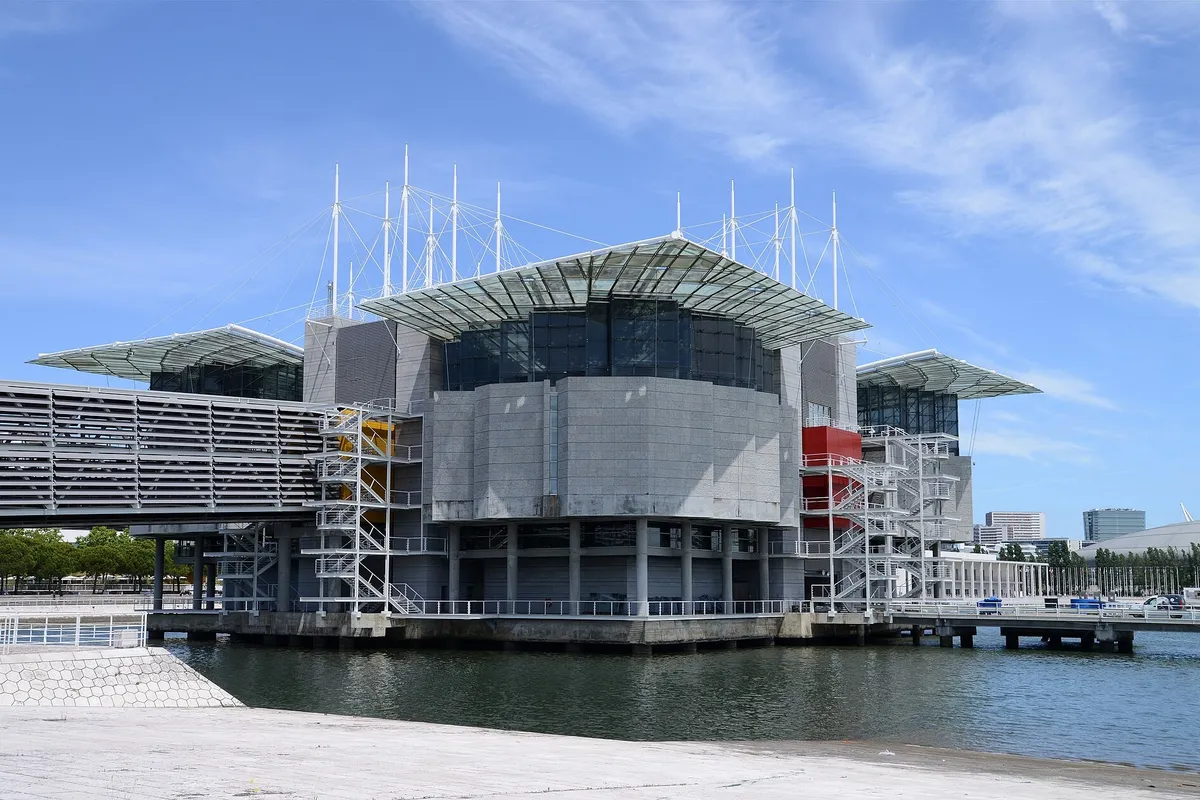
Securing oceanario de lisboa tickets requires navigating a strict dynamic pricing system where identical admission passes vary by four euros depending solely on the entry hour you select. As someone who has lived in Lisbon for over seven years and watched the post-Expo waterfront develop its daily rhythms, I have seen hundreds of visitors arrive at the ticket barriers at peak noon without timed reservations, only to face inflated walk-up queues and crowded galleries. The aquarium stands out as one of Europe’s largest marine biology complexes, yet planning a successful visit demands clear logistical preparation around arrival slots, public transit connections, and route planning inside the pavilions.
This detailed guide breaks down ticket pricing tiers, verified discount channels, practical transport links from central Lisbon, and realistic timelines for exploring the central deep-ocean tank alongside the specialized temporary galleries. Whether you are traveling as an independent architecture enthusiast, an aquascaping hobbyist, or a family coordinating strollers across public transit, the following sections outline the exact numbers and operational rules needed to experience the site smoothly.
Lisbon Aquarium Admission: Ticket Prices, Discounts, and Booking Terms
Timed Entry Slot Pricing and What General Admission Covers
Admission pricing at the aquarium operates on a dynamic schedule divided into three distinct daytime blocks. The official ticketing portal charges peak rates for morning arrivals, moderate rates during the early afternoon, and baseline rates for late afternoon visits. Standard adult entry (ages 13 to 64) costs €29.00 for the morning window between 10:00 and 11:30, drops to €27.00 for the early afternoon window between 12:00 and 15:30, and reaches its lowest base rate of €25.00 for arrivals between 16:00 and 18:30. Children aged 3 to 12 pay €17.00, €16.00, or €15.00 across these respective windows, while seniors aged 65 and older pay €19.00, €18.00, or €17.00.
| Entry Time Window | Adults (13–64) | Children (3–12) | Seniors (65+) | Infants (0–2) |
|---|---|---|---|---|
| Peak Morning (10:00–11:30) | €29.00 | €17.00 | €19.00 | €0.00 |
| Early Afternoon (12:00–15:30) | €27.00 | €16.00 | €18.00 | €0.00 |
| Late Afternoon (16:00–18:30) | €25.00 | €15.00 | €17.00 | €0.00 |
A single general admission pass grants complete access to all exhibition wings across the entire complex. Your ticket covers the main ocean building, the four climate-specific peripheral habitats, the permanent freshwater aquascape installation Forests Underwater designed by Takashi Amano, and the temporary paleontological exhibition Sea Monsters, produced in partnership with Dino Parque Lourinhã. There are no secondary entrance gates, separate wing surcharges, or hidden fees required to see individual species once you clear the initial turnstiles.
Booking the 16:00 to 18:30 slot saves a family of four up to €12.00 compared to the morning peak, while offering significantly clearer viewing windows at the main tank acrylics as organized morning groups depart.
Oceanário Ticket Cost Estimator
Calculate your baseline admission cost based on entry slot and party size before applying web promotions.
Lisboa Card Concession, Promo Codes, and Special Categories
Budget-conscious travelers can reduce standard entry fees through digital promo codes or regional transit passes. Direct ticket purchases completed on the official Oceanário de Lisboa portal qualify for an immediate 5% discount by applying the promotional voucher ONLINE5 in the checkout cart. This code reduces an off-peak adult ticket from €25.00 down to €23.75, functioning seamlessly across mobile checkouts without registration hurdles.
If you hold an active tourist transit pass, the official municipal tourism catalog managed by Visit Lisboa provides a 15% discount on general admission. To redeem this concession, present your physical or validated digital card directly at the ticketing counter on the esplanade. Note that municipal card discounts cannot be combined with web promotional codes.
Specific visitor profiles qualify for zero-cost or specialized access categories through physical verification at the customer counter:
- Infants and Toddlers (0–2 years): Admission is completely free, though system regulations require issuing an assigned zero-cost entry ticket to balance building capacity.
- Visitors with Certified Disabilities (60%+): Individuals presenting verified medical documentation indicating a degree of disability of 60% or higher receive complimentary admission at the physical counter.
- Accompanying Carers: One personal assistant supporting a qualifying visitor with a certified disability receives a 60% concession off standard counter rates.
Booking Channels, Cancellation Policy, and Combo Passes
Understanding official booking terms protects your itinerary from non-refundable financial losses. In accordance with Section 4 of the official Oceanário Terms and Conditions of Use, standard admission tickets purchased through tickets.oceanario.pt are strictly non-refundable, non-exchangeable, and cannot be rescheduled or extended under any circumstances. If an airport delay or transit strike forces you to miss your reserved hour, the admission value is forfeited.
Because direct aquarium tickets allow zero cancellations or date changes, book through the official website only when your day schedule is locked. If travel flexibility is critical, third-party ticket aggregators charge standard gate rates but often permit full cancellations up to 24 hours prior to entry.
Travelers planning a comprehensive afternoon in Parque das Nações can purchase a combined transport-and-exhibition package. The official ticket desk and website sell a combined pass pairing Oceanário general admission with a one-way trip on the nearby Telecabine de Lisboa cable car starting at €33.90 for adults. This combo lets you survey the Doca dos Olivais water basin from above before descending to the marine pavilions.
How to Reach the Parque das Nações Aquarium: Transit and Parking
Arriving via Estação do Oriente: Metro, Rail, and Bus Routes
The primary transit gateway for the aquarium is Estação do Oriente, the multi-modal station designed by Spanish architect Santiago Calatrava. Oriente connects directly to urban subway lines, regional CP commuter networks, and metropolitan bus routes. From the train platforms, the walk to the aquarium takes 12 to 15 minutes across a flat, paved concourse that leads directly through the Centro Vasco da Gama shopping center toward the Tagus riverfront.
Navigating the network requires an initial €0.50 investment in a reloadable Navegante occasional smartcard. A single urban ride on the Metro or Carris bus network costs €1.90, while using prepaid Zapping credit reduces the per-ride fare to €1.72. If you are arriving from Lisbon Airport (Aeroporto), board the Red Line (Linha Vermelha) for a direct three-stop journey lasting roughly six minutes. From historic districts like Baixa-Chiado or Rossio, take the Green Line northward to Alameda, change to the Red Line heading toward Aeroporto, and alight at Oriente; the total transit window averages 25 minutes.
Municipal Carris buses drop passengers adjacent to Oriente and along the primary riverfront boulevards. Lines 728, 750, 759, and 782 serve the station hub regularly. Route 728 is especially convenient for travelers based along the river, providing a scenic, surface-level connection from Santa Apolónia, Cais do Sodré, and Belém directly to the eastern waterfront without requiring underground subway transfers. For a broader orientation on navigating the capital’s transit networks, read our complete guide to getting around Lisbon by metro, tram, and foot.
Driving, Doca dos Olivais Access, and Nearby Parking Garages
The aquarium sits on the pedestrian perimeter of Esplanada Dom Carlos I, directly surrounded by the historic Doca dos Olivais water basin. Private vehicles cannot pull up directly to the pavilion turnstiles. Drivers arriving via major motorways—such as the northern A1 or the CRIL/IC17 orbital highway—should follow signage toward Parque das Nações and proceed along Avenida Dom João II before turning toward the designated parking garages.
| Parking Facility | Walking Time to Entrance | Approximate Capacity | Hourly Parking Cost |
|---|---|---|---|
| Parque Oceanário (Underground) | 3 minutes | ~270 bays | €1.80–€2.20 / hour |
| Parque da Doca (Surface Level) | 5 minutes | ~190 bays | €1.80–€2.00 / hour |
| Centro Vasco da Gama Garage | 10–12 minutes | 2,500+ bays | €2.00–€2.50 / hour |
Parque Oceanário offers the shortest walking distance to the entry ramp, making it the practical choice for travelers with limited mobility. However, its 270 parking spaces fill quickly on weekend mornings. The subterranean parking complex beneath Centro Vasco da Gama provides a reliable alternative with over 2,500 covered bays, remaining accessible even during peak holiday travel periods.
Architectural Layout and Core Exhibits: From Surface to Ocean Depths
Peter Chermayeff Architecture and the Central Global Ocean Tank
Designed by American architect Peter Chermayeff as the centerpiece Oceans Pavilion for the Expo 98 world exposition, the primary building rises directly out of an artificial dock like a floating oceanic fortress. The complex is anchored by a massive 5-million-liter (5,000-cubic-meter) central saltwater tank. The structural philosophy centers on unity: demonstrating that Earth possesses one single, continuous global ocean rather than fragmented, unrelated seas.
Chermayeff arranged the central tank across two stacked observation tiers. On the upper level, visitors encounter marine life near the water’s surface under soft natural lighting, taking in coastal habitats, oceanic birds, and surface-swimming pelagic schools. As you descend ramps into the lower subterranean level, the ambient lighting fades into deep aquatic blues. Here, four expansive acrylic walls—each measuring hundreds of square meters—reveal the deep bathypelagic environment, exposing bottom-dwelling nurse sharks, giant manta rays, and deep-water schooling fish that navigate the silent depths.
Four Oceanic Habitats: Otters, Penguins, and Pelagic Fauna
At the four external corners of the main pavilion, Chermayeff positioned four independent biomes representing distinct regional microclimates. Each habitat mirrors the physical shoreline of a specific oceanic ecosystem, maintaining customized air temperatures, artificial wave cycles, and specialized flora. The four corner habitats include:
- North Atlantic Coastline: Rocky basalt cliffs populated by puffins, murres, and intertidal coastal invertebrates adapted to cold, surge-heavy shorelines.
- Antarctic and Southern Ocean: A temperature-controlled coastal sanctuary housing Magellanic penguins (Spheniscus magellanicus) and Inca terns navigating frigid coastal ledges.
- Temperate Pacific: A vibrant kelp forest environment featuring giant octopuses, coastal rockfish, and a breeding pair of resident sea otters.
- Tropical Indian Ocean: A warm coral reef ecosystem featuring living stony corals, brightly patterned damselfish, butterflyfish, and delicate reef sharks.
The facility houses approximately 8,000 marine animals representing over 500 species. In the central tank, visitors frequently gather to observe the sunfish (Mola mola), an unusual pelagic giant rarely exhibited in public aquariums due to demanding dietary requirements and sensitive navigational behaviors in enclosed environments. The sea otters remain a major focal point along the upper Pacific corridor. Visitors should note that general admission tickets do not include public feeding spectacles; sea otter feeding and enrichment routines are carried out behind service lines or through specialized, separate VIP educational bookings.
Temporary and Permanent Side Galleries: Takashi Amano and Sea Monsters
Beyond the core Chermayeff building, a connected side pavilion houses two major installations covered by your standard admission ticket. The most tranquil space in the complex is Forests Underwater (Florestas Submersas), a 40-meter-long freshwater aquascape created by the late Japanese landscape artist Takashi Amano. Containing 160 cubic meters of pristine freshwater, this lush artistic composition incorporates four tons of sand, two tons of volcanic rock, and 78 distinct freshwater plant species. The installation is set to a moving 13-minute original symphonic soundtrack composed specifically for the exhibition by Portuguese musician Rodrigo Leão.
Adjacent to the aquascape gallery sits the temporary feature exhibition Sea Monsters (Monstros Marinhos), assembled in close partnership with Dino Parque Lourinhã. This educational gallery combines real prehistoric marine fossils with life-sized kinetic reconstructions of ancient apex predators, tracing the evolutionary ancestry of ocean fauna from ancient seas down to modern apex carnivores. It serves as an engaging historical counterpoint to the living ecosystems housed inside the primary pavilion.
Planning Your Lisbon Oceanarium Visit: Operating Hours and Duration
Standard Hours, Holiday Schedules, and Last Admission Cutoffs
The aquarium operates 365 days a year under consistent operational schedules, making it a reliable wet-weather alternative when Atlantic rainstorms disrupt outdoor sightseeing. The gates open daily at 10:00 and close at 20:00, with final admission permitted until 19:00. Arriving past 19:00 results in automatic turnstile lockouts, even for visitors holding prepaid evening tickets.
| Date Range | Opening Time | Closing Time | Last Entry Cutoff |
|---|---|---|---|
| Standard Daily Operations | 10:00 | 20:00 | 19:00 |
| Christmas Eve (December 24) | 10:00 | 19:00 | 18:00 |
| Christmas Day (December 25) | 11:00 | 20:00 | 19:00 |
| New Year’s Eve (December 31) | 10:00 | 19:00 | 18:00 |
| New Year’s Day (January 1) | 11:00 | 20:00 | 19:00 |
During the winter holidays, operational hours adjust slightly around staff shifts. On December 24 and December 31, the building closes an hour early at 19:00, with final entry capped strictly at 18:00. Conversely, on December 25 and January 1, the opening hour is delayed to 11:00, with evening closing preserved at 20:00 (last entry at 19:00). If you are structuring a broader winter city itinerary, explore our curated list of essential Lisbon attractions for first-time visitors.
How Long to Spend: Realistic Timelines for Families and Solo Visitors
Official facility guidelines indicate an average visit duration of 1.5 to 2 hours. However, real-world exploration times depend on your personal pacing, whether you explore the secondary buildings, and group dynamics. In my experience visiting across different seasons, travelers fall into three distinct timing profiles:
- Express Walkthrough (1.5 Hours): Geared toward solo travelers or visitors on tight stopover itineraries who focus exclusively on the two tiers of the central ocean tank and the four corner biomes, skipping the temporary galleries.
- Standard Complete Visit (2 to 2.5 Hours): The optimal itinerary for most travelers. This window accommodates a full loop through the Chermayeff pavilion, 30 uninterrupted minutes enjoying Takashi Amano’s freshwater aquascape, and a relaxed walkthrough of the Sea Monsters exhibition.
- Family Visit with Young Children (2.5 to 3 Hours): Essential for visitors managing strollers or toddlers. This pace builds in rest breaks at the viewing amphitheatres, bathroom stops, and unhurried observation along the glass panels without rushing.
Real Visitor Comfort: Noise, Crowds, and In-House Restrictions
Managing Midday Congestion and Chokepoints
The facility experiences marked shifts in visitor density throughout the day. Demand peaks between 10:00 and 15:30, a window reflected directly in the aquarium’s premium ticket pricing tiers (€27.00 to €29.00). During these midday hours, organized school groups, regional youth camps, and tour bus excursions converge on the entrance, creating heavy clusters along the narrow observation corridors.
The tightest interior chokepoints develop along the railings of the Pacific sea otter habitat on the upper deck and around the lowest acrylic viewing benches facing the deep-water rays. If you find yourself in the central pavilion during the midday rush, consider running the layout in reverse: visit the serene Takashi Amano freshwater building first, enjoy lunch along the esplanade, and step into the main marine tank corridors after 16:30 when foot traffic subsides and baseline €25.00 entry windows take effect.
Visitor Rules: Photography Bans, Strollers, and Accessibility
To ensure animal welfare and prevent disorientation among sensitive pelagic and deep-sea species, the facility enforces strict behavioral codes across all exhibits. Flash photography, video torches, and all forms of external artificial lighting are strictly prohibited at all times. Furthermore, selfie sticks, tripods, and camera monopods are banned at the entrance turnstiles to prevent barrier obstruction and accidental impacts against the structural acrylic panels.
Parents and visitors with reduced mobility will find an accommodating, modern infrastructure throughout the site:
- Stroller Access: Baby strollers are permitted inside all galleries, which feature wide corridors, low-incline transition ramps, and spacious elevators linking Level 1 and Level 0. Compact collapsible strollers are strongly recommended over oversized travel systems during crowded weekends.
- Wheelchair Provision: The entire site adheres to comprehensive European accessibility standards, offering barrier-free pathways from the street esplanade to the viewing rails. Standard manual wheelchairs are available at the welcome desk on a complimentary basis subject to availability.
- Child Supervision: In accordance with visitor safety regulations, children under 12 years of age must remain accompanied by an adult throughout their time on site.
- Baggage Lockers: Coin-operated luggage lockers are located near the primary entrance building for daypacks and medium bags, saving visitors from hauling bulky luggage through the galleries.
Honest Drawbacks, Audience Fit, and Final Practical Verdict
Key Limitations, Hidden Costs, and Inconveniences
While the aquarium ranks among the most sophisticated marine institutions worldwide, several operational inconveniences catch unprepared travelers off guard. The most notable logistical drawback is geographic distance: Parque das Nações sits approximately eight kilometers northeast of Lisbon’s historic center. Reaching the site from neighborhoods like Alfama, Baixa, or Chiado requires a 25- to 30-minute subway journey or a €10.00 to €15.00 taxi ride, ruling out a quick spontaneous detour between historic monuments.
Ticketing conditions are notably rigid. The unbending no-refund, no-exchange policy on tickets bought through tickets.oceanario.pt offers zero forgiveness for flight delays or schedule changes. Additionally, on-site catering is limited: the small internal snack bar serves overpriced, pre-packaged sandwiches and light pastries. For a substantial meal, walk 600 meters back to the top floor of Centro Vasco da Gama or head along the dockside esplanade. If you are a traveling foodie mapping out meals across the capital, consult our curated guide to Lisbon food markets and local culinary staples.
Who Will Appreciate the Oceanário Most (and Who Should Skip)
The aquarium represents an exceptional destination for specific traveler profiles while remaining an inefficient use of time for others. You will find substantial value in this visit if you fall into one of the following categories:
- Families with Toddlers or Teenagers: The barrier-free walkways, interactive educational touchpoints, and dramatic living exhibits keep young travelers engaged far better than historic tile museums or palace lines.
- Aquascapers and Botanical Hobbyists: Takashi Amano’s Forests Underwater stands as a global masterwork of planted freshwater ecology, justifying entry on its own artistic merits.
- Modern Architecture Aficionados: The visionary structural engineering by Peter Chermayeff and the surrounding Parque das Nações public works showcase late-20th-century Portuguese modernism at its grandest scale.
Conversely, travelers on a rapid stopover in Lisbon lasting under 36 hours should bypass the aquarium. Spending four to five hours on transit and gallery loops will consume the daylight needed to explore core historical landmarks like Belém, the Castelo de São Jorge, or the Alfama alleys. For an efficient alternative layout of your initial days, review our realistic three-day Lisbon itinerary.
Final Practical Verdict: How to Maximize Value and Experience
The Oceanário de Lisboa remains an exceptionally well-maintained, world-class institution that avoids the worn-out, commercial tourist traps common among older urban aquariums. Its conservation programs, educational focus, and the striking visual presentation of its 5,000-cubic-meter central tank make it one of Lisbon’s most rewarding contemporary attractions.
To unlock the best value from your visit, bypass the expensive €29.00 morning entry slots. Reserve the 16:00 to 18:30 late-afternoon window directly on the official ticketing portal, enter the promo code ONLINE5 to bring adult admission down to €23.75, and take the Red Line metro smoothly to Oriente. Spend two comfortable hours taking in both levels of the central marine tank and Amano’s aquascape gallery, then conclude your day with an evening walk along the Tagus riverfront as the sun sets behind Vasco da Gama Bridge.